60 சென்ட் நிலத்தில் 60 பயிர்கள்
|

புதிது புதிதானக் கருவிகள், புதிது புதிதான விவசாயத் தொழில்நுட்பங்கள், மறைந்து கிடக்கும் வேளாண் வித்தைகள் என்று பலவற்றையும் தேடிப் பிடித்துப் பயன்படுத்துவதில் பலருக்கும் ஆர்வம் இருக்கும். அப்படிப்பட்ட விவசாயிகளைத் தேடிப் பிடித்து வாசகர்களுக்குத் தொடர்ந்து அறிமுகப்படுத்தி வருகிறது, 'பசுமை விகடன்’. இத்தகைய விவசாயிகளின் அனுபவங்களை, உடனடியாகத் தங்கள் நிலத்திலும் சோதித்துப் பார்ப்பதில் நம் வாசகர்களுக்கு இணையில்லை. அவர்களில் ஒருவர், ஈரோடு மாவட்டம் கொடுமுடி அருகேயுள்ள சாலைப்புதூர் கிராமத்தைச் சேர்ந்த பழனிச்சாமி. பல பயிர் சாகுபடி பற்றி, பசுமை விகடனில் படித்ததுமே உடனடியாக அதைச் செயல்படுத்தியுள்ளார். இப்பொழுது, பயிர் நன்றாக வளர்ந்து நிற்பதைப் பார்க்கும் பொழுது நம்பிக்கையாக இருக்கிறது என்று மகிழ்ச்சிப் பெருக்கோடு பேசத் தொடங்கினார் பழனிச்சாமி.
இரண்டு ஏக்கர் நிலத்தில் விவசாயம் செய்து கொண்டிருக்கிறார். தண்ணீர்ப்பற்றாக்குறை, வேலை ஆட்கள் கிடைப்பதில் சிரமம் என்று ஏகப்பட்டத் தொல்லைகள். இதற்காக தவித்துக் கொண்டிருந்த சமயத்தில்தான் பசுமை விகடன் படிக்க ஆரம்பித்தார். அதன் மூலமாக, சுபாஷ் பாலேக்கரோட 'ஜீரோ பட்ஜெட்' வழிமுறைகளைத் தெரிந்துகொண்டு, 'வானகம்’ பண்ணையில் 'இயற்கை வேளாண் விஞ்ஞானி' நம்மாழ்வாரிடம் பயிற்சி எடுத்து பாரதிதாசன் பல்கலைக்கழகத்தில் மூன்று மாதம் வேளாண்மை சம்பந்தப்பட்ட படிப்பும் படித்து, இயற்கை விவசாயத்தை ஆரம்பித்துள்ளார்.
நம்மாழ்வார், சுபாஷ் பாலேக்கர், மண்புழு மன்னாரு, மூன்று பேரும்தான் இவருக்கு குரு. நிலத்தில் துளிகூட ரசாயனம் பயன்படுத்துவதில்லை. முழுக்க முழுக்க இயற்கை இடுபொருட்கள் மட்டும்தான். 60 சென்ட் நிலத்தில் கத்தரி, தக்காளி, வெண்டை, அவரை, வெங்காயம், சுரைக்காய் என்று நிறைய காய்கறிகளை விதைத்திருக்கிறார். இவர் வைத்திருந்த பாரம்பரிய ரக விதைகளைத்தான் நாத்துப் பாவி நட்டிருக்கிறார். எல்லா செடிகளும் தளதள என்று வளர்ந்து நிக்கிறது என்று உற்சாகமாகச் சொன்னார்.
60 சென்டில் 60 பயிர்கள் !
தொடர்ந்து பேசியவர், சாகுபடி செய்யும் முறைகள் பற்றி விவரித்தார். சாகுபடியை ஆரம்பிக்கும் முன்பாக நிலத்தில் ஆட்டுக்கிடை போட்டிருக்கிறார். பிறகு மண்ணைக் கொத்தி பொலபொலப்பாக்கி சதுரப்பாத்தி எடுத்து, 30 சென்ட் நிலத்தில் இரண்டடிக்கு ஒரு நாற்று என்று தக்காளி, கத்தரி, மிளகாய் நாற்றுகளை அடுத்தடுத்து நட்டிருக்கார். மீதி 30 சென்ட் நிலத்தில் மற்ற பயிர்களையும் கலந்து நடவு செய்திருக்கிறார். ஓரமாக இருந்த ஐந்தாறு வேப்ப மரங்களைச் சுற்றி, பாகற்காய், பூசணி மாதிரியான கொடிவகைப் பயிர்களை நடவு செய்து, கொடிகளை மரத்தில் ஏற்றி விட்டிருக்கிறார். பீர்க்கனை நடவு செய்து அதற்கு மட்டும் பந்தல் போட்டிருக்கிறார். கோடையில் வளரும் பீர்க்கன், குளிர்காலத்தில் வளரும் பீர்க்கன் என்று இரண்டு ரகமுமே இங்க இருக்குகிறது. அதே மாதிரி, குத்து அவரை, தம்பட்ட அவரை என்று அனைத்தும் உள்ளது.
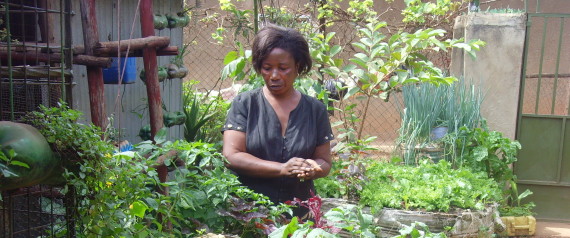
இரண்டு சென்ட் நிலத்தில் வெண்டை இருக்கிறது. ஒவ்வொரு செடியும் மரம் மாதிரி பத்தடிக்கு வளர்ந்து நிக்கிறது. இதுபோக சிறுகீரை, சிவப்புக்கீரை, மிளகு தக்காளி, முருங்கை, அகத்தி, வெள்ளைப்பூண்டு, வெங்காயம், பூனைக்காலி என்று கிட்டத்தட்ட 60 சென்டில் 60 வகையானப் பயிர்கள் இருக்கிறது என்று சொல்லி தொடர்ந்தார்.
தோட்டத்தைச் சுற்றி 6 அடி இடைவெளியில் ஆமணக்குச் செடியை நட்டிருக்கிறார். இது மூலமாக சின்ன வருமானம் கிடைப்பதோடு காய்கறிச் செடிகளை தாக்குற பூச்சிகளும் கட்டுப்படுகிறது. இந்த விதைகளை இடிச்சு தண்ணீரில் கலந்து வயலில் ஆங்காங்கே வைத்தால் பூச்சியெல்லாம் அதற்குள் விழுந்துடும். வயலில் ஆங்காங்கே பறவை தாங்கி வைத்தால் பூச்சிவிரட்டி தெளிக்க வேண்டிய அவசியமே இருக்காது.
தேவையான அளவு தண்ணி பாய்ச்சுவதோடு, 15 நாளைக்கு ஒரு முறை 200 லிட்டர் அமுதக்கரைசலைத் தோட்டம் முழுசும் தெளிக்கிறார். பூச்சித் தாக்குதல் இருந்தால் மூலிகைப் பூச்சிவிரட்டி தெளிப்கதாக கூறுகிறார். களைகளை எல்லாம் பறிச்சு, அங்கேயே மூடாக்காக போட்டுவிடுவதால், மண்ணின் ஈரப்பதம் இருந்துக்கொண்டே இருக்கிறது. பெரிதாக எந்தப் பராமரிப்பும் கிடையாது. வீட்டுத் தேவைக்காகத்தான் காய்கறிகளை சாகுபடி செய்கிறார். தேவைக்குப் போக மீதமுள்ளவற்றை உள்ளூர் கடையிலேயே விற்கிறார். இப்பொழுது, இவர்களுக்கு காய்கறிச் செலவே இல்லாமல் போய்விட்டது என்கிறார். சத்தான, இயற்கை காய்கறிகளை கிடைப்பதுதான் எல்லாவற்றையும்விட முக்கியமான விஷயம் என்று சொல்லி, மகிழ்ச்சியோடு விடை கொடுத்தார், பழனிச்சாமி.
தொடர்புக்கு,
பழனிச்சாமி,
செல்போன்: 94438-39926
இரண்டு ஏக்கர் நிலத்தில் விவசாயம் செய்து கொண்டிருக்கிறார். தண்ணீர்ப்பற்றாக்குறை, வேலை ஆட்கள் கிடைப்பதில் சிரமம் என்று ஏகப்பட்டத் தொல்லைகள். இதற்காக தவித்துக் கொண்டிருந்த சமயத்தில்தான் பசுமை விகடன் படிக்க ஆரம்பித்தார். அதன் மூலமாக, சுபாஷ் பாலேக்கரோட 'ஜீரோ பட்ஜெட்' வழிமுறைகளைத் தெரிந்துகொண்டு, 'வானகம்’ பண்ணையில் 'இயற்கை வேளாண் விஞ்ஞானி' நம்மாழ்வாரிடம் பயிற்சி எடுத்து பாரதிதாசன் பல்கலைக்கழகத்தில் மூன்று மாதம் வேளாண்மை சம்பந்தப்பட்ட படிப்பும் படித்து, இயற்கை விவசாயத்தை ஆரம்பித்துள்ளார்.
நம்மாழ்வார், சுபாஷ் பாலேக்கர், மண்புழு மன்னாரு, மூன்று பேரும்தான் இவருக்கு குரு. நிலத்தில் துளிகூட ரசாயனம் பயன்படுத்துவதில்லை. முழுக்க முழுக்க இயற்கை இடுபொருட்கள் மட்டும்தான். 60 சென்ட் நிலத்தில் கத்தரி, தக்காளி, வெண்டை, அவரை, வெங்காயம், சுரைக்காய் என்று நிறைய காய்கறிகளை விதைத்திருக்கிறார். இவர் வைத்திருந்த பாரம்பரிய ரக விதைகளைத்தான் நாத்துப் பாவி நட்டிருக்கிறார். எல்லா செடிகளும் தளதள என்று வளர்ந்து நிக்கிறது என்று உற்சாகமாகச் சொன்னார்.
60 சென்டில் 60 பயிர்கள் !
தொடர்ந்து பேசியவர், சாகுபடி செய்யும் முறைகள் பற்றி விவரித்தார். சாகுபடியை ஆரம்பிக்கும் முன்பாக நிலத்தில் ஆட்டுக்கிடை போட்டிருக்கிறார். பிறகு மண்ணைக் கொத்தி பொலபொலப்பாக்கி சதுரப்பாத்தி எடுத்து, 30 சென்ட் நிலத்தில் இரண்டடிக்கு ஒரு நாற்று என்று தக்காளி, கத்தரி, மிளகாய் நாற்றுகளை அடுத்தடுத்து நட்டிருக்கார். மீதி 30 சென்ட் நிலத்தில் மற்ற பயிர்களையும் கலந்து நடவு செய்திருக்கிறார். ஓரமாக இருந்த ஐந்தாறு வேப்ப மரங்களைச் சுற்றி, பாகற்காய், பூசணி மாதிரியான கொடிவகைப் பயிர்களை நடவு செய்து, கொடிகளை மரத்தில் ஏற்றி விட்டிருக்கிறார். பீர்க்கனை நடவு செய்து அதற்கு மட்டும் பந்தல் போட்டிருக்கிறார். கோடையில் வளரும் பீர்க்கன், குளிர்காலத்தில் வளரும் பீர்க்கன் என்று இரண்டு ரகமுமே இங்க இருக்குகிறது. அதே மாதிரி, குத்து அவரை, தம்பட்ட அவரை என்று அனைத்தும் உள்ளது.
இரண்டு சென்ட் நிலத்தில் வெண்டை இருக்கிறது. ஒவ்வொரு செடியும் மரம் மாதிரி பத்தடிக்கு வளர்ந்து நிக்கிறது. இதுபோக சிறுகீரை, சிவப்புக்கீரை, மிளகு தக்காளி, முருங்கை, அகத்தி, வெள்ளைப்பூண்டு, வெங்காயம், பூனைக்காலி என்று கிட்டத்தட்ட 60 சென்டில் 60 வகையானப் பயிர்கள் இருக்கிறது என்று சொல்லி தொடர்ந்தார்.
தோட்டத்தைச் சுற்றி 6 அடி இடைவெளியில் ஆமணக்குச் செடியை நட்டிருக்கிறார். இது மூலமாக சின்ன வருமானம் கிடைப்பதோடு காய்கறிச் செடிகளை தாக்குற பூச்சிகளும் கட்டுப்படுகிறது. இந்த விதைகளை இடிச்சு தண்ணீரில் கலந்து வயலில் ஆங்காங்கே வைத்தால் பூச்சியெல்லாம் அதற்குள் விழுந்துடும். வயலில் ஆங்காங்கே பறவை தாங்கி வைத்தால் பூச்சிவிரட்டி தெளிக்க வேண்டிய அவசியமே இருக்காது.
தேவையான அளவு தண்ணி பாய்ச்சுவதோடு, 15 நாளைக்கு ஒரு முறை 200 லிட்டர் அமுதக்கரைசலைத் தோட்டம் முழுசும் தெளிக்கிறார். பூச்சித் தாக்குதல் இருந்தால் மூலிகைப் பூச்சிவிரட்டி தெளிப்கதாக கூறுகிறார். களைகளை எல்லாம் பறிச்சு, அங்கேயே மூடாக்காக போட்டுவிடுவதால், மண்ணின் ஈரப்பதம் இருந்துக்கொண்டே இருக்கிறது. பெரிதாக எந்தப் பராமரிப்பும் கிடையாது. வீட்டுத் தேவைக்காகத்தான் காய்கறிகளை சாகுபடி செய்கிறார். தேவைக்குப் போக மீதமுள்ளவற்றை உள்ளூர் கடையிலேயே விற்கிறார். இப்பொழுது, இவர்களுக்கு காய்கறிச் செலவே இல்லாமல் போய்விட்டது என்கிறார். சத்தான, இயற்கை காய்கறிகளை கிடைப்பதுதான் எல்லாவற்றையும்விட முக்கியமான விஷயம் என்று சொல்லி, மகிழ்ச்சியோடு விடை கொடுத்தார், பழனிச்சாமி.
தொடர்புக்கு,
பழனிச்சாமி,
செல்போன்: 94438-39926