Monday, June 27, 2016

உப்பு தப்பு - உப்பிட்டவரே விஷமிட்டவராவார்


உப்பிட்டவரே விஷமிட்டவராவார் ! – நவீன பழமொழி!


‘உப்பிட்டவரை உள்ளளவும் நினை, உப்பில்லாப் பண்டம் குப்பையிலே…’
-இப்படி, உப்பின் பெருமை பேச எத்தனையோ புகழ் மொழிகள் உண்டு அது மட்டுமின்றி . நாம் பெரும்பாலும் போரான விஷயங்களைக் பேசும்போது ‘உப்பு சப்பில்லாத’ சமாசாரம் என்கிறோம். 
‘உன் சமையலறையில் உப்பா சர்க்கரையா’ என பாட்டை ரசிக்கிறோம். உப்பு அத்தனை ஒஸ்தி! 
உணவிலிருந்து நமக்குக் கிடைக்கிற சத்துகளில் முக்கியமானது உப்பு. கடல் நீரிலிருந்து  பெறக்கூடிய சோடியம் குளோரைடையே உப்பாக உபயோகிக்கிறோம். இதற்கிடையில் ஒரு நாளைக்கு 
ஒரு நபருக்கு 10 கிராம் அளவு மட்டுமே உப்பு  மட்டுமே தேவை. ஆனால், ஒவ்வொருவரும்  அதைவிட எக்க்சக்கமாகத்தான்  உப்பை மட்டும் உபயோகித்துக் கொண்டிருக்கிறோம்.  இப்படி  அறியாமையால் உப்பைத் தின்று சீரழிகிறது ஆறறிவு மனித இனம். உண்மையில் உப்பு உணவு  பொருளே அல்ல, இது இரும்பையும் அரிக்கும் ரசாயனப் பொருள், உடலுக்கு அந்நியப் பொருள். 
அதனால் உடலுக்கு தேவையற்ற பொருள் உப்பு.  மனிதனின்  உடலையும் உள்ளத்தையும்  பாடாய்ப்படுத்துகிறது.  அதனால் இனி உப்பிட்டவரே விஷமிட்டவராவார் ! – நவீன பழமொழி 
புழக்கத்தில் வந்தாலும் ஆச்சரியமில்லை!


ஒட்டு மொத்த விலங்கினமும், அதனதன் உடலமைப்புக்கும், உறுப்புக்களின் அமைப்புக்கும்  பொருத்தமான உணவுகளை தேர்ந்தெடுத்து, அவற்றை மட்டுமே பரம்பரையாக உண்டு வாழ்கின்றன.  அதனால் அவற்றுக்கு கொஞ்சம் கூட உப்பு தேவைப்படவில்லை. அதனால் அவை தமது உணவுடன் இந்த 
உப்பை கலக்காமல் நேரடியாக உண்டு ஆரோக்கியமாக வாழ முடிகிறது. இப்படி இயற்கையாக  உண்பதால் இயற்கையாக வாழவும் முடிகிறது இது போல் மனித இனமும் அப்படி இயற்கையாக  உண்ணவும், இயற்கையாக வாழவும் முடியும்.


உப்பில்லா பண்டம் குப்பையிலே என்பது தவறு!

எத்தனையோ பண்டங்களை உப்பு சேர்த்து வேக வைக்காமல் நேரடியாகவே உண்டு வாழ முடிகிறது.  அவையெல்லாம் மனித உடலுக்கு பொருத்தமான உணவு பண்டங்கள் ஆகும். எனவே தக்க உணவுக்கு  உப்பு வேண்டாம் என்பதே சரியாகும். மனிதன் சாப்பிட வேண்டியதை சாப்பிட்டு வாழ்வதானால்  அதில் உப்பை கலக்க வேண்டாம்.

உப்பும் உடலும்:

அரித்துக் கொல்லும் உப்பை உடல் செரிமானம் செய்வதுமில்லை, செலவுசெய்வதுமில்லை.   உடலுக்கு அது தேவையுமில்லை என்பதால் உண்ட உப்பைமுழுவதையும் உடல் வெளியே தள்ளி 
விடுகிறது. உப்பை தின்றவன் தண்ணீர் குடிப்பது அந்த உப்பை கரைத்து வெளியேற்றதான்.   உடலுக்கு தேவையற்ற உப்பைதான் விலைக்கு வாங்கி உணவுடன் சேர்த்து வேக வைத்து  உண்கிறோம். அறிவில்லாதவனுக்கு ஒழிவில்லாத வேலை என்பது பழமொழி. கருவறையில் தொடங்கி  மனிதனின் இறுதி மூச்சுவரை இந்த வீண் வேலை நடந்து கொண்டே இருக்கிறது.


உணவில் உப்பிருக்கும்வரை உடல் உப்பு நீக்கி எந்திரமாக செயல் பட்டுக்கொண்டே  இருக்கும்.  அதனால் மனிதன் உழைக்காமலேயே களைப்படைகிறான். ஓய்விலும் தூக்கத்திலும்  கூட வியர்க்கிறது; வியர்வையை உறிஞ்ச உள்ளாடைகள் தேவைபடுகின்றன. உப்பின் அரிப்பை  உணராமல் இருக்க மின்விசிரியும்;  குளிர்பதன அறையும் தேவைப்படுகிறது. வியர்வை  நாற்றத்தை போக்க வாசனை திரவியங்கள் தேவைப்படுகின்றன.  உப்பை விட்டு  வாழ்கின்றவனக்கு  வெயிலும் மழையும் பணியும் குளிரும் உடலுக்கு இதமாகவே இருக்கிறது; உலகமே AC 
அரங்கமாகிவிடுகிறது.

உப்பு, உணவுப் பாதையில் இருக்கும் வரை உடலுக்குக் கேடில்லை. உப்பு உணவு பாதையை  அரிக்கமுடியாது ஆனால் அங்கிருந்து இரத்தத்திற்கு வரும் உப்பு உடலை அரிக்கத்  தொடங்கிவிடும். அதனால் மொத்த உடலும் முயன்று உழைத்து அதிக இரத்த ஓட்டத்தின் மூலம்  உப்பை வெளியேற்றுகிறது.  உடலைவிட்டு வெளியேறும் எல்லா திரவங்களின் வழியாகவும் உப்பு 
வெளியேறுகிறது. அதனால்தான் வியர்வையிலும் சிறுநீரிலும் உப்பின் சுவையை மட்டும்  உணர்கிறோம்.  புளிப்பும் காரமும் இனிப்பும் மற்ற சுவைகளும் செரித்து விடுகின்றன, செலவாகி விடுகின்றன. தேவையற்ற உப்பை உணவில் சேர்ப்பது சுவைக்காக கூட அல்ல! உடலில்  செல்லுபடியாகாத பண்டங்களை செல்லுபடியாக்கத்தான் அவற்றுடன் உப்பை சேர்த்து வேக 
வைத்து உண்கிறோம்.


உடலும் உணவும் :

அரிசி, பருப்பு, கோதுமை, சோளம், கம்பு, கேழ்வரகு போன்ற உலர்ந்த உணவுப் பண்டங்களை  நேரடியாக உண்டு வாழும்போது ரத்தவோட்டம் தடைபடுகிறது.  அதனால் இவையெல்லாம் மனித 
உடலுக்கு பொருத்தமற்ற உணவுப்பண்டங்கள் ஆகும்.  இவற்றுடன் உப்பை சேர்த்து வேக வைத்து  உண்டால் ரத்தவோட்டம் தடைபடுவதில்லை.  உப்பிற்காக உடலில் தேக்கப்படும் தண்ணீரும் 
உப்பிற்கான அதிக ரத்தவோட்டமும் சேர்ந்து இரத்தவோட்ட தடையை உடைக்க உதவுகிறது.

அடுப்பெரிக்க விறகு பயன்படுவதை போல உடலில் அதிக ரத்தவோட்டத்தை உண்டாக்கவும், உடலில்  தண்ணீரை தேக்கவும் உப்பு பயன்படுகிறது. தவறான உணவு பண்டங்களை உண்டு வாழ உப்பு  உதவுகிறது.  மனிதனுக்கு உப்பு இந்த ஒரே ஒரு உதவியை செய்து விட்டு மற்ற எல்லா  துன்பங்களையும் கொண்டுவருகிறது. உணவல்ல உப்பு, உபகார சத்ரு!

உப்பை தின்னும் மனிதன் இயற்கையான இரத்தவோட்டத்தில் வாழ முடிவதில்லை. உப்பிற்கான  இந்த அதிக இரத்தவோட்டம், செயற்கையான இரத்தவோட்டமாகும்; தவறான இரத்தவோட்டமாகும்.  இந்த தவறான இரத்தவோட்டம் மனிதனின் இயற்கையான உடல்நலத்தையும், உள்ள நலத்தையும் 
பாதிக்கிறது. அதனால் உடலில் உப்பிருக்கும் வரை மனிதன் மனிதனாக வாழ முடிவதில்லை.

சாமியார் பூனை வளர்த்த கதையாக உணவுக்கு உப்பு வந்ததால் தேவையற்ற எல்லா தேவைகளும்  வந்தன, எல்லா குற்றம் குறைகளும் கொடுமைகளும் வந்தன. உப்பு, பஞ்சமா பாதகங்களையும்  செய்ய வைக்கிறது.  உடலுக்கும், மனதிற்கும், சமுதாயத்திற்கும், நோய்களைத் தருகிறது. 
உடலிலும் ஊரிலும் சாக்கடையைத் தேக்குகிறது. சமையல் இல்லையேல் சாக்கடை இல்லை.

உப்பும் சமையலும்:

உணவில் உப்பை கலப்பதைத்தான் சமைத்தல் என்கிறோம். ஆகவே உப்பை விடுவது என்றால் சமைத்த  உணவை விடுவது என்று பொருள்.சமைத்தல் என்ற சொல்லுக்கு தயார் செய்தல், 
பக்குவப்படுத்துதல் என்றெல்லாம் பொருள். 
உணவை வேக வைப்பதே அதில் உப்பை  கலப்பதற்காகத்தான்.

ரத்தத்தில் உணவும் உப்பும் சீரான அளவிலும், போதுமான அளவிலும் கலந்து  ஓடுவதற்காகத்தான் உணவை சமைக்கிறோம். 
மனிதன் பானை செய்ய கற்பததற்குமுன் உணவையும் 
உப்பையும் சேர்த்து, இடித்து தூளாக உண்டு வாழ்ந்தான்.
 பின்னர் உணவையும் உப்பையும்  சேர்த்து அரைத்து துவையலாக உண்டு வாழ்ந்தான். இன்று நெருப்பே இல்லாமல் நுண்ணலை 
அடுப்பிலிட்டு உணவையும் உப்பையும் சேர்த்து வேக வைத்து உண்கிறான்.

உணவில் உப்புக்காக புளிப்பையும், புளிப்புக்காக காரத்தையும், காரத்திற்காக  எண்ணையையும் உணவில் சேர்க்கிறோம். உணவுக்கு உப்பு வேண்டாம் என்றால் இவற்றை சேர்த்து 
வேக வைக்கவும் வேண்டாம். உணவை மட்டும் நேரடியாக உண்டு வாழலாம்.

மனித உடலுக்கு பொருத்தமான உணவுகள்:

பழங்கள், பச்சை காய்கறிகள், முளைவிட்ட தானியங்கள் , அவல்,  தேங்காய் போன்ற  கொட்டைகளின் பருப்புககள், உலர்ந்த பழங்கள், தேன், இளநீர், நுங்கு, பதநீர் போன்ற  உணவு பண்டங்களை எத்தனை ஆண்டுகள் நேரடியாக உண்டு வாழ்ந்தாலும், ரத்த ஒட்டம் தடை  படுவது இல்லை.  ஆகவே இவையெல்லாம் மனித உடலுக்கு பொருத்தமான உணவுப் பண்டங்கள் ஆகும்,  மனிதன் உண்டு வாழ வேண்டிய உணவு பண்டங்கள் ஆகும், மனிதனின் இயற்கையான உணவுகள் ஆகும்.


மற்ற விலங்கினங்கள் அதனதன் உடலமைப்பிற்கும், உறுப்புகளின் அமைப்பிற்கும்,  பொருத்தமான உணவுகளை தேர்வு செய்து பரம்பரையாக அவற்றை மட்டுமே உண்டு வாழ்கின்றன. 
அதனால் அவற்றிற்கு உப்பு தேவைப்படுவதில்லை. உலகெங்கும் எக்காலத்தும் ஆட்டுக்கு உணவு  இலை தழைகளே,  மாட்டுக்கு உணவு புல் வகைகளே! புலி சிங்கம் போன்ற ஊன் உண்ணிகளுக்கு 
உணவு மாமிச வகைகளே. அவையெல்லாம் அதனதன் இயற்கையான உணவுகள் ஆகும். அதனால்தான் புலி  பசித்தாலும் புல்லை தின்பதில்லை.

காட்டில் வசிக்கும் தாவர உண்ணிகள் தவறான உணவுகளை மேய்ந்து விடும்போது மட்டும் உப்பை  தேடி அலைந்து நக்கி ரத்தவோட்ட சிக்கலை சரி செய்து கொள்கின்றன.  ஆறறிவு மனிதன் விவசாயம் செய்து தவறான உணவுகளையும் உப்பளங்களையும் தயார் செய்து சமைத்து உண்கிறான்.

மற்ற எல்லா விலங்கினங்களும் உப்பின்றி வாழ்வதால் பிறப்பு முதல் இறப்பு வரை நோயின்றி  வாழ்கின்றன. சோம்பல் சோர்வு களைப்பு என்றால் என்னவென்றே உணராமல் வாழ்கின்றன. அதனால் 
அடுத்தவர் உதவியின்றி வாழ்கின்றன காம வெறியின்றி வாழ்கின்றன.

அவை வாழ நிலமும், நீரும், உணவும், காற்றும், கதிரும் மட்டுமே போதுமானவை. மனித  இனமும் விலங்கினம்தான் என்பதால் மனிதனும் அப்படி தனக்குரிய உணவு பண்டங்களை 
இயற்கையாக உண்டு, இயற்கையாக வாழ முடியும்.

எனது உணவு அனுபவங்கள்:

எனது வயது 60. நாற்பதிலிருந்து 55 வயது வரை சமைக்காத இயற்கை உணவுகளை மட்டுமே உண்டு  வாழ்ந்தேன் (அதிலும் தேங்காயையும், வாழைப்பழங்களையும் மட்டுமே உண்டு வாழ்ந்தேன்.)   
அந்த 15 ஆண்டுகள் சொர்க்கத்தில் வாழ்ந்தேன்.

மீண்டும் கடந்த 5 ஆண்டுகளாக சமைத்த உணவுக்கு மாற முயன்று வருகிறேன், முடியவில்லை.
அதிலுள்ள உப்பை உடல் ஏற்கவில்லை.  அந்த 15 ஆண்டுகளில் என் உடலின் உயிரணுக்கள் பல தலைமுறைகள் புதுபிக்கபட்டு விட்டன. ஆகவே அவையெல்லாம் உப்புக்கு பழக்கபடாதவை 
என்பதால் இன்றைய உடல் உப்பை ஏற்கவில்லை.

மீண்டும் படிப்படியாக உடலுக்கு உப்பை பழக்க மேலும் பல பத்தாண்டுகள் ஆகலாம். அதற்கு  மீதமுள்ள ஆயுள் போதாது என்பதை உணர்கிறேன்.

உப்பைவிட்டால்… மனித குலம் அடையும் நன்மைகள்


  • ஒரு நாளைக்கு ஒரு கிலோ உணவு போதும். அதற்கு மேல் உண்ண முடியாது.
  •  ஒரு லிட்டர் தண்ணீர் போதும்.  அதற்கு மேல் தேவைபடாது.  இயற்கை உணவிலுள்ள தண்ணீரே கூட போதும்.  உப்பை தின்றவன் தான் தண்ணீரை அதிகம் குடிப்பான். 
  • நான்கு மணி நேர தூக்கம் போதும். அதுவும் கோழித் தூக்கமே. கனவுகளே வருவது இல்லை.  இடையில் சமைத்த உணவை உண்டு பார்த்தால் மட்டுமே கனவுகள் வருகின்றன.


  • யோகாசனம், பிராணாயாமம், தியானம் செய்யாமலேயே அதன் பயன்களை அனுபவிக்க முடியும். 
  • காமவெறி இல்லை ஆண், பெண் வேறுபாடில்லை. அதனால் உடை கூட வேண்டாம். 
  • பெண்களுக்கு மாதவிடாய் நீண்டு வருட விடையாக நீளும்.
  •  மரம், செடி கொடிகளில் தானாக விளைவதே போதும். 
  • விவசாயம் செய்ய வேண்டாம்.
  •  உப்பலங்கள் வேண்டாம். 
  • வண்டி வாகனங்கள், கருவிகள், சாலைகள் வேண்டாம்.
  • யாருக்கும் யாருடைய உதவியும் வேண்டாம். 
  • அதனால் பேச்சும், எழுத்தும், மொழியும் வேண்டாம். 
  • அதனால் விருப்பு வெறுப்புக்கோ, பந்த பாசத்திற்கோ அவசியமில்லை. யாதும் ஊரே யாவரும் கேளிர் என்று வாழலாம் . 
  • வெயிலும், மழையும், பணியும், குளிரும் உடலுக்கு இதமாகவே இருக்கும், உலகமே AC அரங்காக மாறிவிடும் அதனால் வீடு வேண்டாம்.
  • தன்னிறைவு, தற்சார்பு, தன்னாட்சி – இவை எல்லாம் தானாகவே வந்து விடுவதால் அரசாங்கம் வேண்டாம். 

மனித இனமும் விலங்கினம்தான்.

உப்பு உணவு பொருள் அல்ல! ஆகவே மனிதன் மட்டும் உப்பை தின்பது மடமை, கொடுமை!


பின்குறிப்பு: 

முயற்சி உடையோர் உப்பை தின்னும் காரணத்தை அவரவர் உடலிலேயே சோதித்து  உணர முடியும். 
நான்கு நாட்கள் வரை தண்ணீரை மட்டும் கொண்டு உண்ணா நோண்பிருக்க வேண்டும்.  உடலில் உள்ள பழைய உணவும், உப்பும் நீங்கி விடும். 

உண்ணா நோன்பிருக்க முடியாதவர்கள் பழங்களை மட்டும் உண்டு வரலாம். அந்நிலையில் டி, காபி , பிஸ்கட்,  வறுகடலை, பட்டாணி, மிக்சர் போன்ற உப்பில்லாத அல்லது உப்பு குறைந்த உணவு பண்டங்களை  உண்டு பார்த்தல் சில நிமிடங்களில் இருமல் வரும். நுரையிரல் ரத்தவோட்டம் தடை  படுகிறது என்பது இதன் பொருள். உடனே உப்பு நீரையோ, சாம்பார் சாதமோ சாபிட்டால், இது 
சரியாகிவிடும். ஆனால் இயற்கை உணவுகளை எத்தனை வருடங்கள் சாப்பிட்டாலும்  ரத்தவோட்டத்தில் தடை ஏற்படுவதில்லை!

வாழ்க வளமுடன்!!!

மேலும் விவரங்களுக்கு தொடர்பு கொள்ளவும்:

இயற்கை ஆர்வலர் மு.சண்முகம்

 வடலூர்
(07373409230)
vadalurshanmugam@gmail.com


Tuesday, March 22, 2016

Farm Design - Design One (Ver 2.2)

Farm Design - Design One (Ver 2.2)

We will cover the various permutations and combinations of Long Term Crops (mainly Trees) &
 Medium Term Crops (again mainly Trees) and their placement at a basic design level.

So far, we have covered where the Trees will occupy the spaces in the field.  
But now, we will see the different options within the Trees Space as well.


I have provided 6 options above and we will discuss them in detail below.  
The Options that marked with * can be applied for Long Term Crops & Medium Term Crops as well.

Option 1

  • This option is a very generic option and no specific crops have been mentioned.  
The Long Term Crops specifically means that we should only plant crops that are long term in nature and
similarly Medium Term Crops specifically means that we should only plant crops 
that are medium term in nature.
  • The only requirement in this option is that we have to alternate between Long Term Crops & 
Short Term Crops in each row.
  • The advantage is that the entire row needs attention at the same time whether it is pruning,
 manuring, pesticide requirements, harvest etc.
  • This option is very simple in nature when compared to the other options.


Option 2*
  • This option has Single Type Fruit Crops in one row and Single Type Timber Crops in alternate row.
  • The only requirement in this option is that only one Fruit Crop (eg Mango) has to be planted in one row and 
followed by one Timber Crop (eg Teak) in the next row.
  • The third row can be a different Fruit Crop (eg Coconut) and the fourth row can be a different Timber Crop 
(eg Red Sanders) as well.
  • The advantage is that the entire row needs attention at the same time whether it is pruning, 
manuring, pesticide management, harvest etc.
  • Another advantage in this option is that the alternate row is occupied by Timber Crops and 
the crown size generally will be very less and hence the Odd Rows (Fruit Crops) will 
get sufficient space to grow.
  • This option is again very simple in nature.


Option 3*
  • This option has Single Type Fruit Crops (eg Mango) in one column and 
followed by Single Type Timber Crops (eg Teak) in the next column.
  • The second row can be a different Fruit Crop (eg Coconut) as well as the same or entirely different 
Timber Crop (eg Teak or Red Sanders).
  • The advantage in this option is that the alternate column is occupied by Timber Crops and 
the crown size generally will be very less and hence the Fruit Crops will get sufficient space to grow.
  • The complications starts here as we have 2 different crops in the same row and 
hence has to be managed differently.


Option 4*
  • This option has Single Type Fruit Crops (eg Mango) in one column and followed by 
Multiple Type Timber Crops (eg Melia + Teak + etc) in the next columns.
  • The second row can be a different Fruit Crop (eg Coconut) as well as the same or 
entirely different Timber Crops (eg Melia + Teak + etc or Pencil + Red Sanders + etc).
  • The advantage in this option is that the alternate column is occupied by Timber Crops and
 the crown size generally will be very less and hence the Fruit Crops will get sufficient space to grow.
  • The complications starts here as we have 1 fixed Fruit Crop and 2 or more different 
Timber Crops in the same row and hence has to be managed differently.


Option 5*
  • This option has Multiple Type Fruit Crops (eg Mango + Sapota + etc) and 
followed by Multiple Type Timber Crops (eg Melia + Teak + etc) in the next columns.
  • The second row can be the same or entirely different set of Fruit Crops 
(eg Mango + Sapota + etc or Coconut + Tamarind + etc) as well as the same or entirely different 
Timber Crops (eg Melia + Teak + etc or Pencil + Red Sanders + etc).
  • The advantage in this option is that the alternate column is occupied by Timber Crops and 
the crown size generally will be very less and hence the Fruit Crops will get sufficient space to grow.
  • The complications starts here as we have 2 or more different Fruit Crop and 
2 or more different Timber crops in the same row and hence has to be managed differently.
  • Those who use this option has to maintain records properly to knows which crops stands where.
  • A mini forest is being created in this option.


Option 6
  • This option is a very generic option and no specific crops have been mentioned.
One of the  requirements in this option is that we have to alternate between Long Term Fruit Crops & 
Long Term Timber Crops in the same row.
The other requirement in this option is that we have to alternate between Medium Term Fruit Crops & 
Medium Term Timber Crops in the next row.
  • The advantage in this option is that the alternate column is occupied by Timber Crops and
 the crown size generally will be very less and hence the Fruit Crops column will get sufficient space to grow.
  • Another advantage in this option is that both the crops (more or less) will attain 
maturity at the same time since we are going for the same type of longevity of the crops and 
hence the entire row can be managed properly.
  • A mini forest is being created in this option.

Farm Design - Design One (Ver 3.0)

Farm Design - Design One (Ver 3.0)

We will be covering an important design aspect by which rain water is harvested as part of the design. Water as a resource is becoming scarce and every farmer needs to ensure that water is saved for future use.


We can easily incorporate Rain Water Harvesting in this design without much difficulty.

Each of the Trees Space can be utilized for this purpose.
  We need to dig  trenches of size 2 Ft Width and 1.5 Ft Depth and 
the Length is the entire length of the Trees Space. 

 This method of farming is called Trench Farming. 
 Please note that the Trees are grown in these trenches only.

  • The advantage of this method of Rain Water Harvesting is that we do not have to sacrifice/allocate land for the purpose of Rain Water Harvesting separately.
  • It helps reduce soil erosion due to rains/water run-off.
  • Improves the ground water levels.
  • During the non rainy season, we can use the trenches for putting the broken twigs,
 fallen branches of trees, leaves etc and 
this will become compost.


Please note that the excess water after filling the trenches, 
if any, should be collected in wells, ponds etc or should be made to leave the farmland in a graceful manner.

Note:  Rain Water Harvesting is possible only when there is a Run-Off of Rain Water.

Farm Design - Design One (Ver 4.0)

Farm Design - Design One (Ver 4.0)

We are going to see the Design One (Ver 4.0).


In this blog, we are going to see the actual design in action and 
how we are going to utilize even the space allocated to roads to our advantage.


Note: The maximum width of the road vehicle in India is not more than 10 ft and 
hence we will keep this in mind while allocating the space for roads.

At the minimum, we have to allocate 15 ft or more for roads in our farm.  

This is only required for the main roads as well as the entire border roads in our farm and 
may not be applicable for the roads in the interior of the farm. 

 This space is required so that the vehicle does not get into the crop areas of the farm and 
hence prevent the damage to the crops in the farm.

If you want the bigger vehicle to travel to the inner parts of the farm also, then 15 ft is required for all the roads.
  Otherwise, you can allocate very small area for smaller vehicles
 (depending on the vehicle width and add 1 or 2 ft extra). 
 This way you can transport the goods to the bigger vehicle by using the small vehicle.

If you want only a single road, I think 15 ft is enough. 
 But if you want double roads (two-way roads) as depicted in the picture, 
it is better to allocate 20 ft for each of the roads. 
 This means you will be allocating 40 ft.

You can plant big trees (bigger crown area) like Coconut, Fig, Tamarind, Jackfruit etc in this Trees Space. 
 This way you are productively using the entire space allocated to the road for other purposes as well.
  This type of planting is applicable only for the East-to-West direction road only.

For the North-to-South direction road, you need to align the trees as per the Trees Space alignment.  
Otherwise, the Open Space area will have shadow and hence the growth of the crops will be affected. 
 If in case, you want to utilize the Open Space area as well, 
you need to grow only those crops that does not grow beyond 4 to 5 ft in height. 

Farm Design - Design One

Farm Design - Design One (Ver 5.0)

We will see the pictorial representation of the Fence Design. 


From the picture, you can notice that there are 3 layers of Fences available. 
 The Fences will consist of 2 Ft Wide & 1.5 Ft Depth.
  The Open Spaces will consist of 3 Ft Wide. 
 Either we can plant ourselves in the Open Spaces or we will allow nature to take care of itself.

It is not necessary to have all the 3 layers of the Fences. 
 Depending on the requirement, you can go for single layer or multiple layers of the Fences.


Reference:

http://agricultureforeverybody.blogspot.in/search?updated-min=2013-01-01T00:00:00%2B05:30&updated-max=2014-01-01T00:00:00%2B05:30&max-results=29

Thursday, March 3, 2016

சமவெளியில் வளரும் கேரட், பீட்ரூட்

சமவெளியில் வளரும் கேரட், பீட்ரூட்

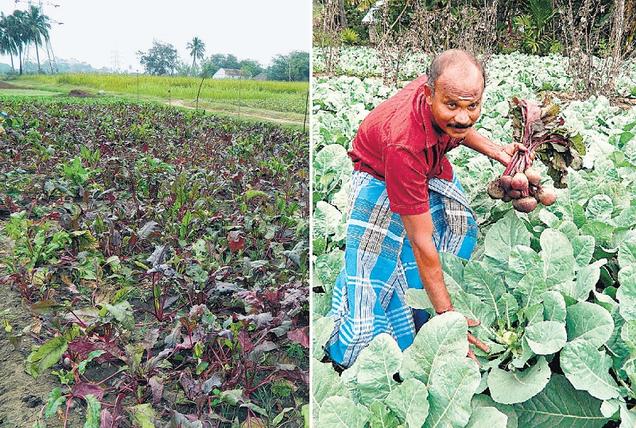
கேரட், பீட்ரூட் போன்ற இங்கிலீஷ் காய்கறிகள் குளிர் நிலவும் பகுதிகளில் அதிகம் விளைவிக்கப்படுகின்றன. தமிழகத்தில் கொடைக்கானல், ஊட்டி போன்ற இடங்களில் சாதாரணமாக இந்தக் காய்கறி வகைகள் விளைகின்றன. இந்தக் காய்கறிகளைச் சமவெளிப் பகுதியில் விளைவித்திருக்கிறார் நாமக்கல் மாவட்டம் சேந்தமங்கலம் அருகே பச்சுடையாம்பட்டி குட்டைத் தோட்டத்தைச் சேர்ந்த ஜி. சிவக்குமார்.
இதற்குக் காரணம் இயற்கை உரம் தந்த ஊட்டம். ரசாயன உரம் பயன்படுத்தாமல் காய்கறிளை விளைவிப்பது இவருடைய சிறப்பம்சம்.
இவருடைய அப்பா ஆர். கோபாலும் இவரும் 40 ஆண்டுகளுக்கு மேலாக விவசாயம் செய்துவருகிறார்கள். ஆரம்பக் காலத்தில் இருந்து குறுகிய காலப் பயிர்களான கீரை போன்றவற்றைப் பயிரிட்டு வருகிறார்கள். அதில் நல்ல விளைச்சல் கிடைக்கவே, குளிர் பிரதேசங்களில் விளையும் கேரட், பீட்ரூட், காலிஃபிளவர் போன்ற காய்கறி வகைகளை விளைவிக்கும் எண்ணம் தோன்றியது.
அதற்காக நாமக்கல் வேளாண் அறிவியல் நிலையத்தில் ஆலோசனை பெற்றனர். அதன்படி, கேரட், பீட்ரூட், முள்ளங்கி, காலிஃபிளவர் போன்ற பயிர்களைப் பயிரிட்டார்கள். இவற்றுக்கு ரசாயன உரங்களைப் பயன்படுத்துவதில்லை.
வீட்டில் வளர்க்கப்படும் கால்நடைகளின் எரு, பஞ்சகவ்யம் போன்றவற்றையே பயன்படுத்துகிறார்கள். இதனால் விளைச்சல் அமோகமாக உள்ளது. இந்த விளைச்சல் தந்த நம்பிக்கையில் ஆப்பிள் மரக்கன்றுகள் வாங்கித் தற்போது நட்டுள்ளனர்.
Courtesy: Hindu
Courtesy: Hindu
மூன்றே மாதங்கள்
“இயற்கை உரங்களைப் பயன்படுத்துவதால், எங்களது காய்கறிகளை மக்கள் ஆர்வத்துடன் வாங்கிச் செல்கின்றனர். மேலே குறிப்பிட்ட பயிர்கள் அனைத்தும் மூன்று மாதக் காலப் பயிர்கள் என்பதால், விரைவாக அறுவடை செய்ய முடிவதுடன், கணிசமான லாபமும் ஈட்ட முடிகிறது.
இப்பகுதியில் கேரட், பீட்ரூட் விளைவிப்பதைப் பலரும் ஆச்சரியத்துடன் பார்த்து, தாங்களும் விளைவிக்க முடியுமா என்ற யோசனையுடன் செல்கின்றனர்’’ என்கிறார் ஜி. சிவகுமார். இவர்களது வயலில் தற்போது பீட்ரூட் விளைவிக்கப்படுகிறது. சகோதரர் தோட்டத்தில் காலிஃபிளவர் விளை விக்கிறார்கள். செப்டம்பர் முதல் பிப்ரவரி வரை கேரட், பீட்ரூட் விளைவிக்கிறார்கள்.
போதிய மழைப்பொழிவின்மை உள்ளிட்ட காரணங்களால் விவசாயம் நலிவடைந்துவரும் காலகட்டத்தில், குடும்பத்துடன் விவசாயத் தொழிலில் ஈடுபட்டு வரும் சிவகுமார் காலத்துக்கேற்ப பயிர்களை விளைவித்து முன்னுதாரணமாகத் திகழ்கிறார்.
விவசாயி சிவகுமாரை தொடர்புகொள்ள: 08015267009

சைக்கிள் கலப்பை!

சைக்கிள் கலப்பை!

தெலுங்கானா மாநிலத்தில், ஒரு விவசாயி, சைக்கிள் கலப்பையை கண்டுபிடித்துள்ளார்.தெலுங்கானா மாநிலம், வாரங்கல் மாவட்டத்தை சேர்ந்தவர், புக்கியாசந்து, 30. அவர், அங்கு விவசாயம் செய்து வருகிறார். சமீபத்தில், தன் நிலத்தில் பருத்தியை விதைத்தார். அப்போது, அவருக்கு ஒரு புதிய யோசனை தோன்றியது.
தன்னிடமிருந்த பழைய சைக்கிளின் பின்புறம் உள்ள சக்கரம், பெடெல் மற்றும் சீட்டை அகற்றினார்.பின், சைக்கிள் செயினில், கலப்பையை பொருத்தி, அதை ஓட்டிப் பார்த்தார். சைக்கிள் கலப்பை நன்றாக வேலை செய்தது.
புக்கியா, அதில் மேலும் சில மாறுதல்களை செய்தார். மண்வெட்டி, கடப்பாரை உள்ளிட்ட பொருட்களை, அதில் பொருத்தி, மறுபடியும் சோதனை செய்தார். அதுவும் நன்றாக வேலை செய்தது.


உடனே, அதே மாடலில், இன்னொரு பழைய சைக்கிளையும் தயார் செய்து, மனைவிக்கு அளித்தார். தற்போது, கணவன், மனைவி இருவரும் சைக்கிள் கலப்பையை பயன்படுத்தி, சிரமப்படாமல் நிலத்தில், வேலை செய்கின்றனர்.
இதைப் பார்த்த, கிராம மக்கள், அவரை பாராட்டினர். ஒரு சைக்கிளை, இது போல் மாற்றி வடிவமைக்க, புக்கியாவிற்கு 300 ரூபாய் மட்டுமே செலவானது. மனித சிரமத்தை குறைக்க உதவும் இது நல்ல கண்டுபிடிப்பு அல்லவா!